How Much Weight Can a Mobile Crane Lift?
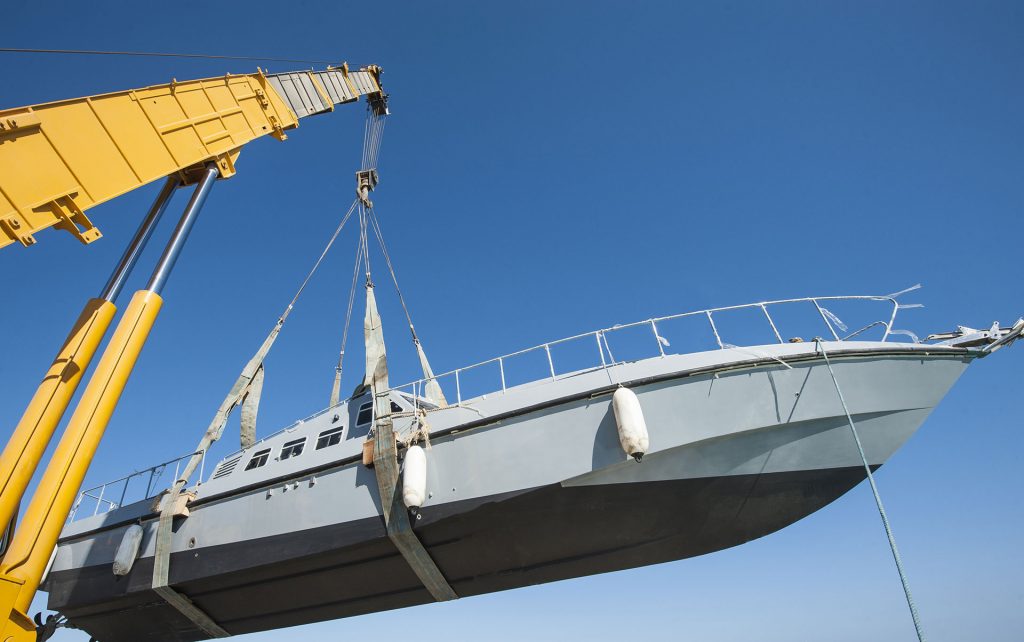
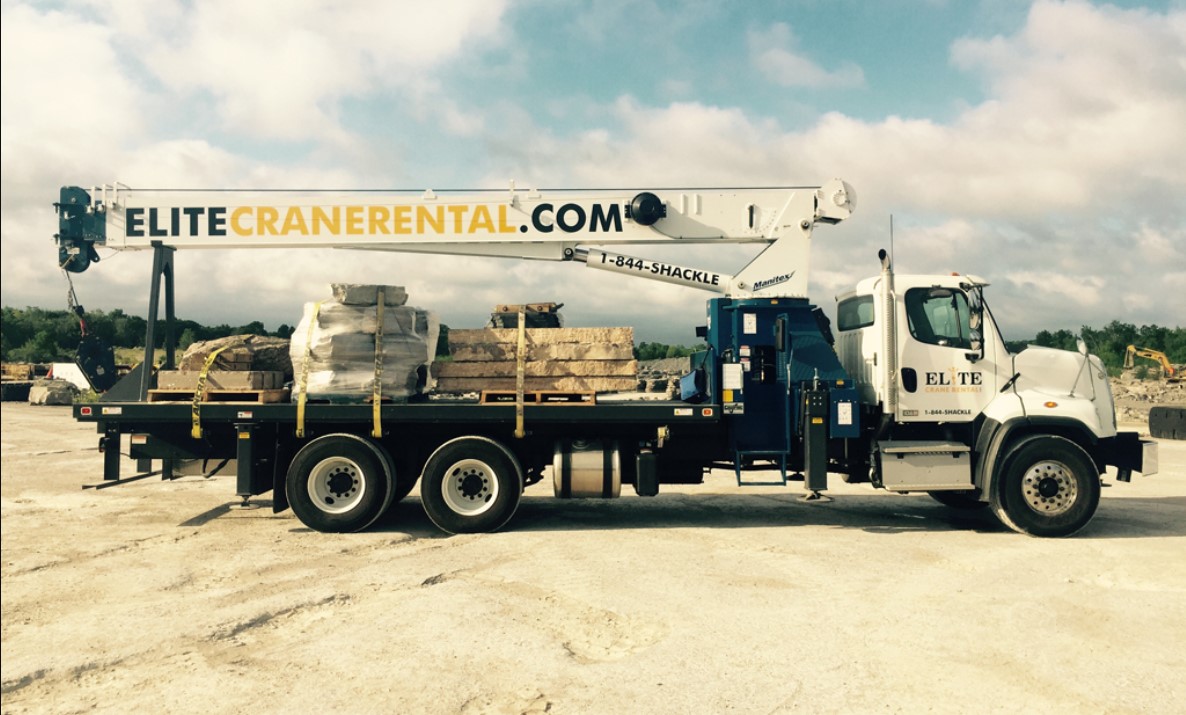
Construction, industrial uses, installation of equipment, infrastructure projects, and other applications where heavy loads are involved make mobile cranes widely used. However, there is no single lifting capacity that can be applied to all mobile cranes. The lifting capacity varies from a few tonnes to hundreds of tonnes, depending on the type, configuration, boom length, operating radius, and job site requirements of the crane.
It is crucial to know the factors that influence crane capacity when planning a lift. It can assist you to decide on the proper equipment and steer clear of selecting a crane according to the max advertised capacity.
What Determines a Mobile Crane’s Lifting Capacity?
The rated capacity for a mobile crane is dependent on several factors. The manufacturer of the crane offers a load chart that indicates the maximum load that the crane can carry under certain operating conditions.
Important factors include:
- Crane type and model
- Boom length and boom design
- Working radius
- When loading, take into account the weight and size of the load.
- Ground conditions
- Outrigger positioning
- Counterweight configuration
- Lifting height
- The weather and wind conditions
This maximum capacity is not necessarily the capacity for each lift and should be used in conjunction with the operator’s discretion.
Typical Mobile Crane Capacities
There are various sizes of the mobile crane. Smaller truck-mounted/compost mobile cranes can be used for relatively small loads, while large all-terrain, rough-terrain, and heavy duty cranes can be used for much heavier loads and equipment.
The capacity of some smaller mobile cranes can be a few tonnes, for instance, and larger mobile cranes can be rated for several dozen or even hundreds of tonnes, depending on the configuration.
The actual capacity for a particular lift can be considerably lower than the crane’s maximum rated capacity. This is why it is important to inspect the load chart and the lifting conditions prior to work.
Why Working Radius Matters
One of the key factors that determine lifting capacity is working radius.
The greater the distance of the load from the crane’s center of rotation, the more the crane’s lifting capacity can vary. A crane that can lift a heavy load near his hoisting platform can lift much less when the load is positioned further away.
When considering equipment, factors to consider are
- The location at which the crane will stand
- The location of the load to be picked up
- Position of the load to be installed.
- The horizontal distance between the crane and load
- The minimum elevation from which the item must be lifted
These measurements are used to verify if the crane has been chosen to lift the load successfully.
Does Boom Length Affect Capacity?
Yes. The length of the boom and boom extension may influence the lifting capacity of the crane.
The length of the boom could need to be longer to reach higher or further areas, but an extended boom can alter the crane’s load capacity. When looking at the manufacturer’s load chart, it is important to consider the telescopic sections, boom angles, and more.
The goal isn’t just to select the longest boom that can be found. Instead, a boom configuration should be matched to the requirements of the project with regard to its lifting height and reach.
Ground Conditions and Crane Stability
Even a crane with a high rated capacity needs suitable ground conditions for safe operation.
If the ground is uneven, unstable, or inadequate, it can impact the setup and stability of the crane. Outriggers may have to be set up properly and supported as per the manufacturer’s instructions.
A site evaluation should be done prior to crane arrival. Take into account soil conditions, slope, underground obstructions, access routes, overhead obstructions, and set-up space.
Choosing the Right Crane for Your Project
There are several factors to consider when finding the right crane. The height and distance of the load must also be taken into account.
For instance, a project that involves a large piece of machinery in an open construction site would require different equipment than a project that involves equipment installation in an enclosed industrial facility.
Prior to the project, the Hamilton crane service provider can help consider the lifting requirements, jobsite conditions, and crane configuration.
How to Calculate the Required Crane Capacity
When determining the capacity of a crane that is required, the following points should be considered:
The selection of cranes should not be determined just by the addition of a few tons to the weight of the load.
The total suspended load can consist of the load plus rigging equipment, lifting accessories, hooks, spreader beams, or anything else attached.
The manufacturer’s load chart should be consulted by a qualified professional to determine the lift and configuration.
Final thoughts
So, how much weight can a mobile crane lift? This depends on the particular crane and configuration/set up required for the task. Depending on the size of the machine, it can lift a few tonnes up to quite a lot more, with heavy-duty mobile cranes being able to lift considerably more, depending on the conditions.
When making a planning decision, consider the lifting capacity needed at the work radius and height, not the maximum advertised lifting capacity. Partnering with an experienced crane service provider to rent mobile crane in Hamilton can help ensure the lifting plan is properly matched to the project’s requirements.
Most Read