Can Laser Tattoo Removal Remove Coloured Tattoos?
For those who wish to fade or remove body art, a tattoo removal is now a widely considered procedure. Black ink tattoos are mentioned when it comes to laser therapy, but coloured tattoos may generate even more questions. Are red, blue, green, yellow, or other coloured inks removable with a laser? This is because laser treatment can fade many ink colours, and the technology and pigments used make a big difference.
Why Are Coloured Tattoos More Challenging?
The tattooing colours absorb light differently. One advantage of black ink is that it absorbs a wide spectrum of laser energy and therefore may react more accurately to treatment. Specific wavelengths may be necessary to target coloured pigments.
If you have a tattoo with multiple colours, it may need a more customized treatment approach. The practitioner may have to do individual testing for each pigment and choose appropriate settings accordingly, depending on the expected response of the colours.
How Does Laser Tattoo Removal Work?
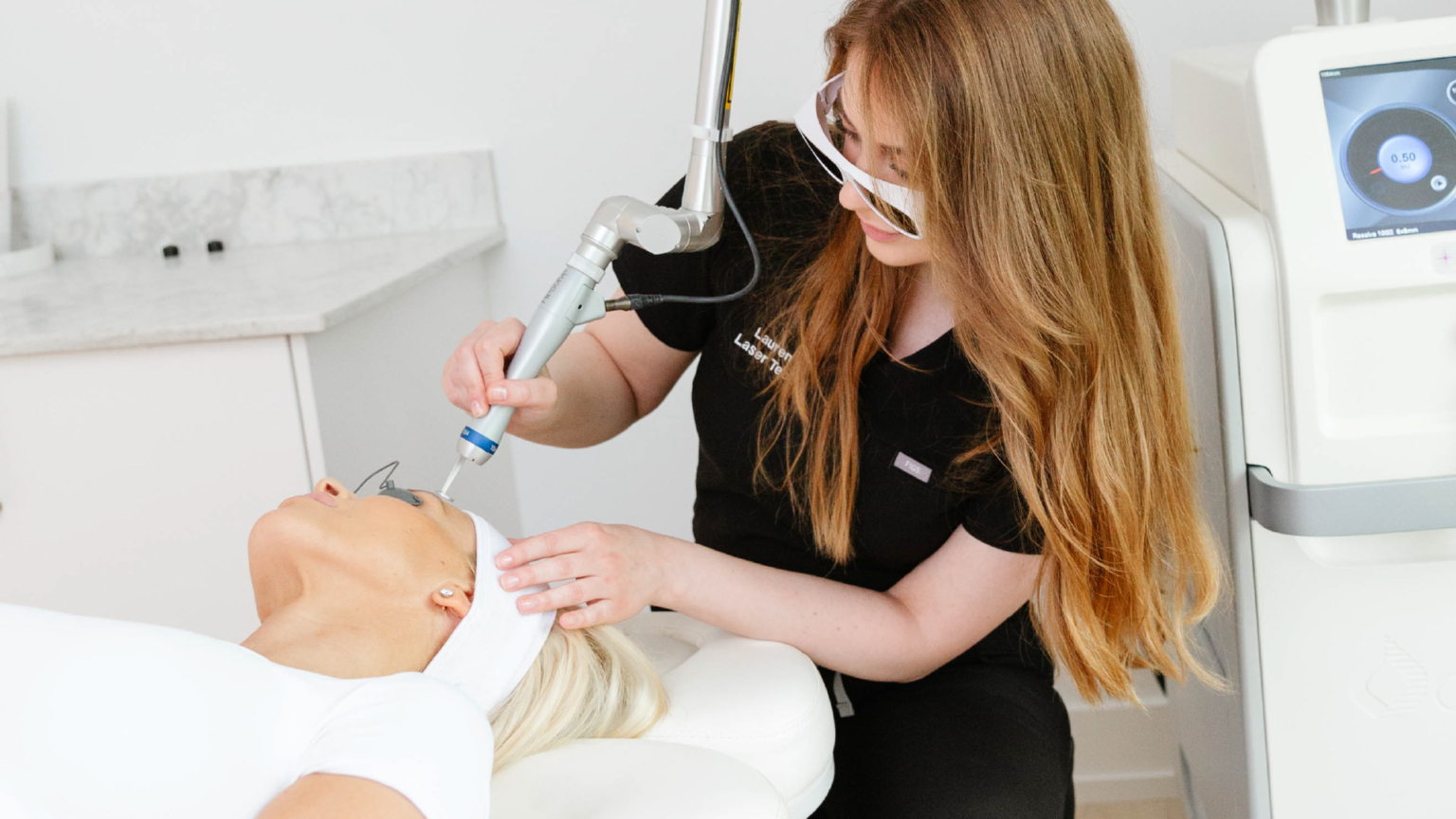
The laser tattoo removal therapy works by focusing light pulses on the tattoo ink in the skin. The ink absorbs the energy, and the pigment particles are divided into smaller pieces. These fragments can then be slowly eliminated from the body by normal processes.
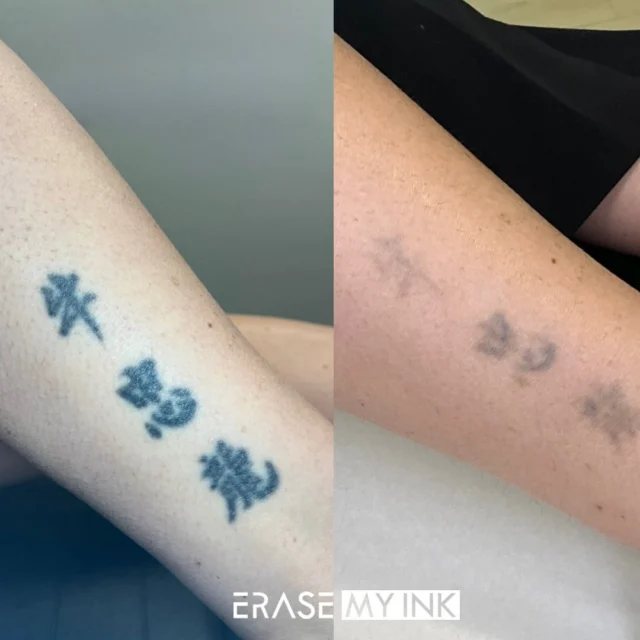
The laser doesn’t just magically remove the tattoo. Rather, each tattoo session is slowly lightened until the desired effect is reached. Between treatments, the skin can replenish and have time to clear the broken-down pigment.
Which Colours Respond Best?
The response of coloured tattoo ink can vary considerably. Different methods may be needed with red, orange, blue, green, purple, yellow, and other pigments.
Dark pigments may be more susceptible to laser energy, and some lighter shades may be more resistant. Although green and blue are traditionally difficult colours to treat, with the latest developments in laser technology, there is a range of options available to practitioners to treat these colours.
Yellow, white, and some pastel colours can be very problematic, as they may not absorb some wavelengths efficiently.
This can vary depending on the tattoo ink used, ink depth, concentration of the tattoo, age of the tattoo, and the skin type of the person.
Does the Laser Used Matter?
Yes. There are several factors to take into consideration for coloured tattoos, particularly laser wavelength. Each wavelength reacts to a different pigment; therefore, depending on the pigment to be treated, a practitioner can select a particular wavelength.
Traditionally, the removal of tattoo pigment has been done by Q-Switched lasers, and picosecond laser technology is another method that is used in some clinics. With picosecond systems, very short pulses are generated that enable the pigment to be broken down into extremely small particles.
The technology is not the sole determinant, however. Important roles include proper assessment, appropriate treatment settings, practitioner experience, and tattoo characteristics.
How Many Treatments Might Be Needed?
Collectively, there is no set number of sessions that will be needed for coloured tattoo removal in Hamilton. Depending on the tattoo, it might need more than a few sessions, or it may need a significantly higher number of sessions.
The number of sessions can be impacted by a variety of things:
- The size and placement of a tattoo
- Different colours and sorts of pigment
- Amount of ink used
- Depth of the tattoo
- Age of the tattoo
- The use of trained workers or self-employed individuals
- Skin type
- Laser technology used
A professional evaluation can give a more accurate idea of what the treatment process will involve.
Can Every Colour Be Completely Removed?
It is not possible to guarantee complete removal. Some pigments may fade significantly but leave a small amount of residual colour. Some may react slowly or need to be treated for a longer period of time.
Special attention must be paid to white ink. Certain white pigments may contain components that can respond in a way that is not predictable by the laser and that may darken after treatment. Sometimes, light beige and flesh-coloured pigments can be difficult.
That’s why it is important for anyone considering treatment to get their tattoo evaluated prior to starting a removal program.
What Can You Expect After Treatment?
Laser tattoo removal may cause temporary alterations in the skin. The symptoms can vary from person to person and from treatment area to treatment area and consist of redness, swelling, tenderness, blistering, or temporary changes in skin pigmentation.
It is important to follow the professional advice after laser tattoo removal. Helping the skin heal in between treatments by avoiding unnecessary sun exposure and letting the skin recover may help with healing.
Choosing a Tattoo Removal Provider
If you do have a coloured tattoo that you want to get rid of, then find a tattoo removal service that has experience removing tattoos of all colours. During consultation, inquire what type of laser technology is available and what the practitioner thinks each of the colours in your tattoo will do.
It is also a good idea to discuss any possible side effects, time periods in which you should expect treatment, post-treatment care, and if complete removal is attainable for your tattoo.
Final thoughts
Laser treatment may help fade coloured tattoo dye in many instances, but it is much less effective depending on the tattoo. Some pigments are more resistant than others, and different colours will react differently to different laser wavelengths.
The best way to know your options is to consult a professional for laser tattoo removal in Hamilton. A professional will be able to calculate the best method for removing the tattoo and the level of realistic expectation you have for the tattoo removal process based on the tattoo’s colour, size, depth, placement, and pigment qualities.
Most Read