Can a Dryer Vent Cover Improve Airflow?
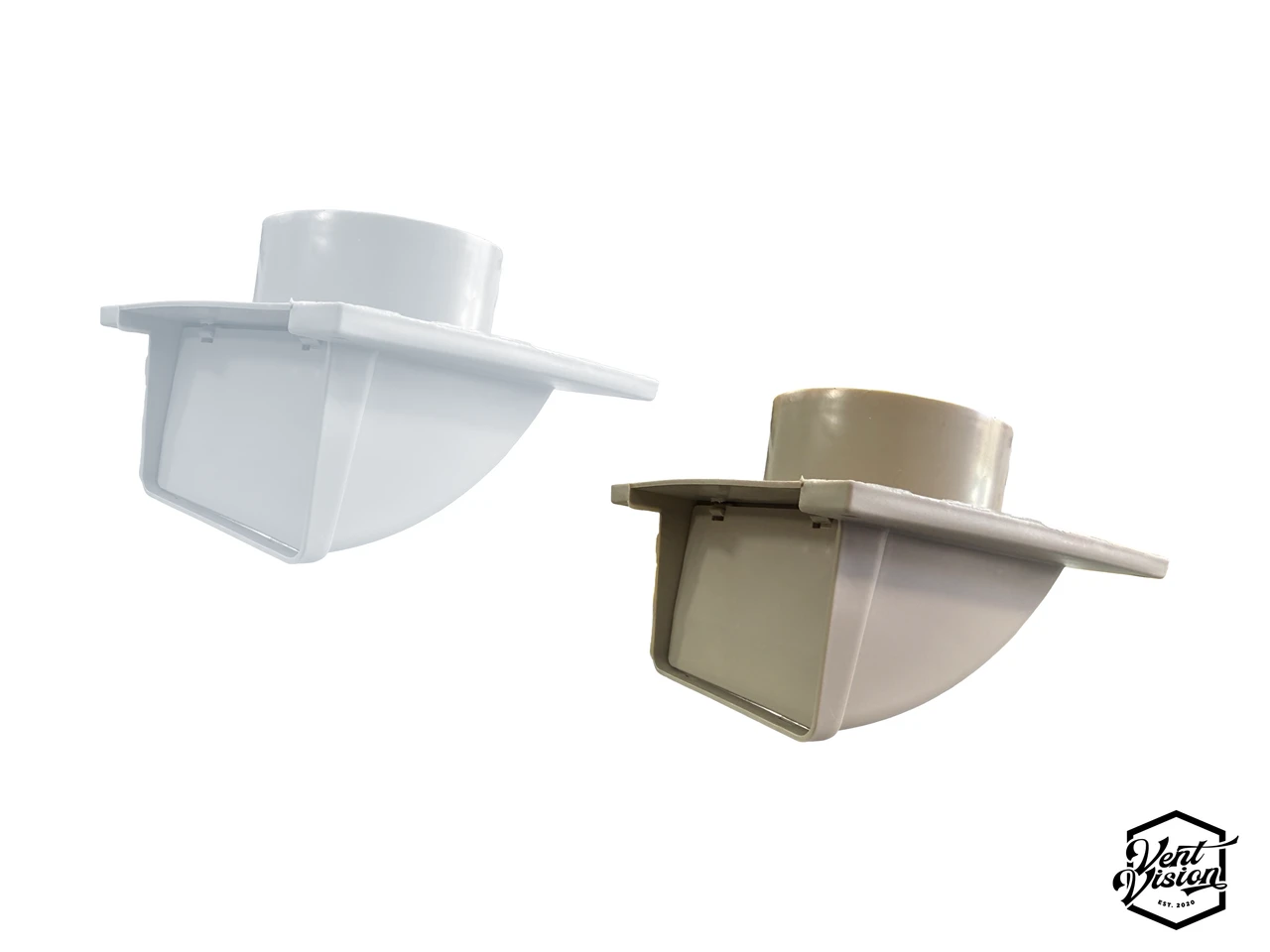
A dryer vent cover may seem like a small component of a laundry ventilation system, but its design and condition can affect how effectively moist air and lint leave the dryer vent. An adequately sized cover can prevent outside materials from getting into the vent opening, and ensure that air can escape from the house. But vent covers are not a substitute for a poor design, crush, or blockage of the dryer duct.
Knowing how the cover works and what factors influence dryer airflow will help you decide if repairing or upgrading the cover is worth it.
What Does a Dryer Vent Cover Do?
A dryer vent cover is attached to the outside connection of a dryer vent. It is designed to let warm and moist air out but keep the rain, insects, leaves, and other outdoor elements out.
A number of dryer covers feature a flap that opens during dryer operation to allow air to flow through and closes when the air flow is cut off. This simple feature helps to create a barrier between the interior and exterior of the dryer vent.
When the cover is damaged, blocked, or hard to open, it can disrupt exhaust air flow.
Can a Vent Cover Improve Dryer Airflow?
If the present vent cover is limiting the exhaust, a new one can be added to help the air flow. For instance, if lint or outdoor debris is trapped on a flap or cover, air might not be able to move out of the duct effectively.
The opening can be restored to its original state when a damaged or restrictive cover is replaced. The improvement will, however, be contingent on the cause of the airflow issue in the first place.
Changing the cover on the outside of the duct will not clear a lint buildup a few feet deep inside the duct.
How a Blocked Cover Can Restrict Airflow
Lint may accumulate around the outside vent opening over time. The cover can also be damaged by leaves, dirt, insects, and more.
A flap that is not fully open is an added resistance at the end of the exhaust pathway. This can help reduce the amount of air escaping from the dryer system.
Moisture and dirt can also build up on the outside termination in colder climates.
Routine checking of the cover may help to detect these problems when they are less prominent.
Signs Your Dryer Vent Cover May Be the Problem
- Flap is not opening properly while the dryer is running
- Lint buildup is around the outside opening
- The vent air flow is weak
- The cover is cracked or has damage.
- Birds or insects have come inside the vent.
- The opening is obstructed by leaves or outdoor debris
- The dryer takes longer than usual to dry clothes
It is also important to check the entire exhaust path, as these symptoms can also be caused by problem areas elsewhere in the vent system.
Does the Type of Vent Cover Matter?
Yes. Each vent cover has its own shape, and some allow more exhausting flow than others.
The duct size and the dryer vent cover should be compatible, and it should be built specifically for dryer exhaust. It must allow easy movement of the flap or louvers during the working of the dryer.
When considering exterior ventilation products, some homeowners may come across a soffit vent cover. But typically a soffit vent cover is a part of building ventilation and should not be considered a direct replacement of a dryer exhaust termination. Be sure to choose a product that is specifically designed for dryer vent uses.
What Else Affects Dryer Airflow?
The exterior cover is just one component of the system. The overall condition and design of the entire dryer vent may have a more significant effect on the airflow.
Common issues include:
Lint Buildup
The duct’s size can be reduced by lint inside the duct. It can help keep the exhaust route clear by routine cleaning.
Excessive Duct Length
The longer the dryer vents, the more air resistant they will be, especially with the addition of bends.
Sharp Bends
Tight bends can cause air flow to be limited and create pockets where lint can accumulate.
Crushed or Damaged Ducting
A crushed area can have a large impact on the amount of exhaust air that can pass through it.
Poorly Fitted Connections
Poorly connected areas may cause the exhaust system to deteriorate and allow lint or moisture to leak through where it shouldn’t be.
Should You Replace Your Dryer Vent Cover?
Replacement may make sense when the existing cover is cracked, damaged, corroded, difficult to open, or consistently obstructed.
Check the diameter of the duct before installing a replacement, and be sure to get a cover that is for dryer exhaust. If the cover is fitted properly, it shouldn’t be blocking the opening unnecessarily.
If the vent still has poor airflow after replacing the cover, then it might be down in the duct.
Final thoughts
Some dryer ventilation problems can be addressed using a dryer vent cover if the existing cover is damaged or clogged or obstructs the outlet, but not all such issues can be resolved with a dryer vent cover.
The outside cover, ductwork, connections, and inside of the vent must be in good condition to provide the necessary vent airflow. Make sure that the exhaust path is kept clear and your dryer functions properly by regularly inspecting and cleaning it.
Most Read