Laser Skin Resurfacing and Microneedling: Your Guide to Skin Rejuvenation
When you are thinking of laser skin resurfacing and microneedling treatments, you are thinking of two popular options to consider. Both procedures are aimed at skin rejuvenation; however, they use different methods to induce alterations in the skin. Understanding how each treatment works, what concerns they are commonly used for, and how they differ can help you have a more informed conversation with a qualified skincare professional.
What is Laser Skin Resurfacing?
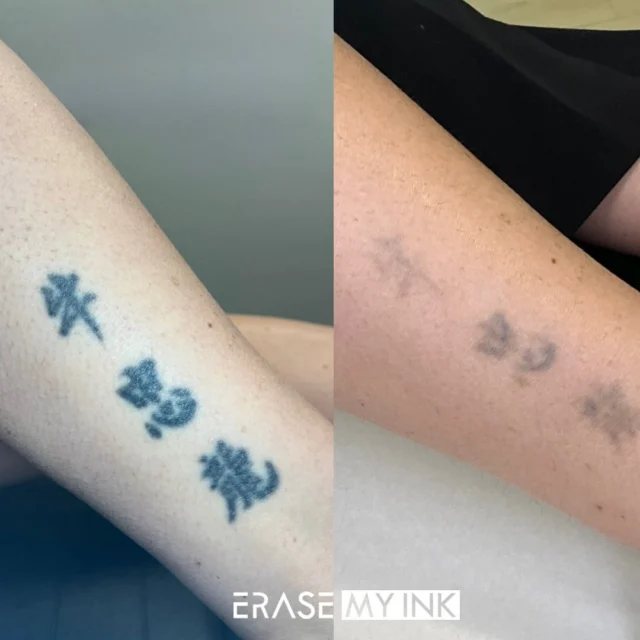
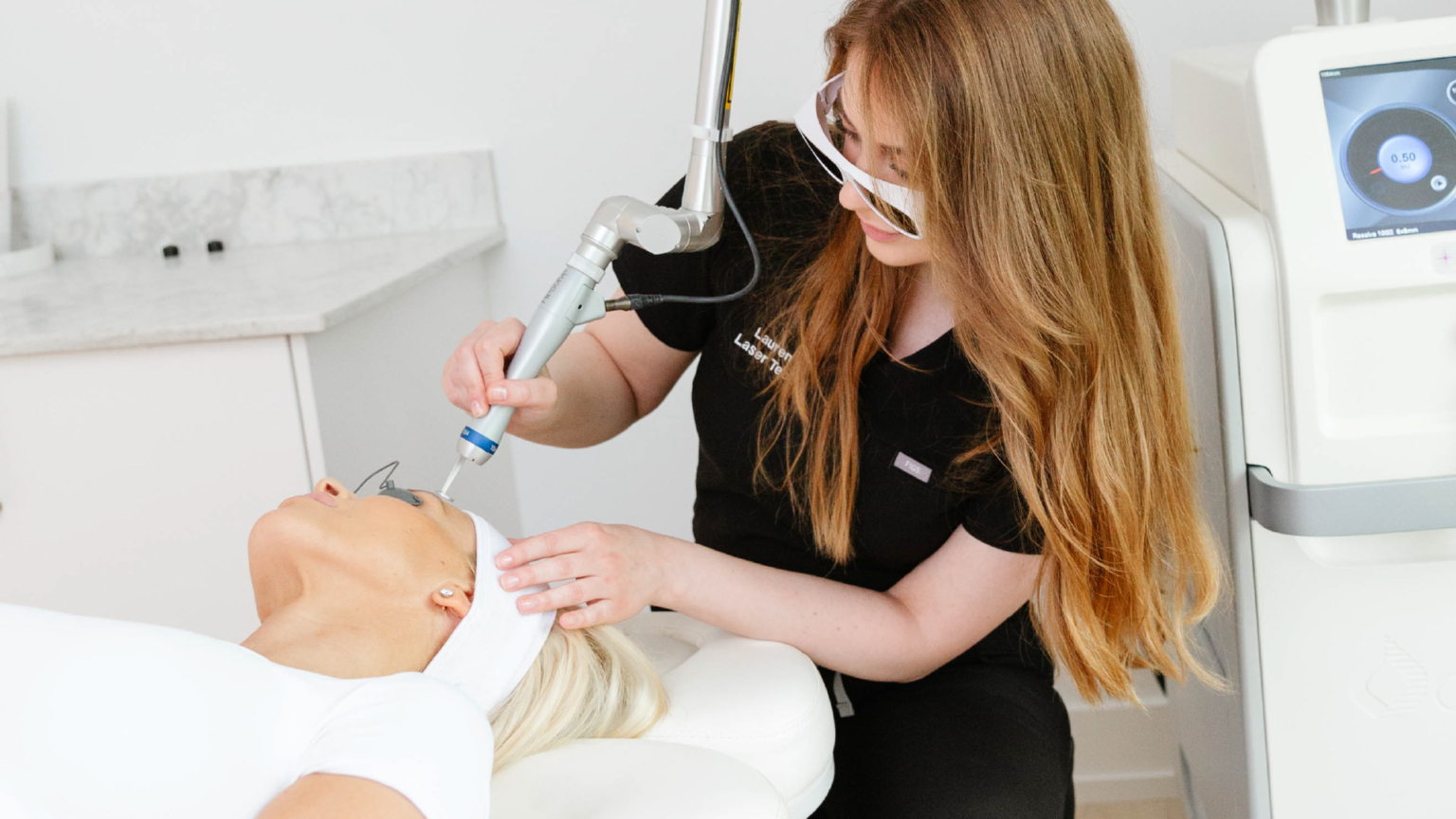
Laser skin resurfacing uses focused laser energy to target specific layers of the skin. It can either strip away the outer cells of skin that are damaged or heat layers of skin beneath without completely removing the surface, depending on the kind of laser and treatment method.
It may be used in cases of irregular skin tone, fine lines, sun damage, pigmentation, or some kinds of acne scarring. Laser technologies vary in their intensity, so that the best one for the skin type, desired outcome, and condition being treated is selected.
There is a difference between laser treatments, so it is important to have an assessment by a professional before being treated. Your provider can let you know which laser technology would be best suited and how long your recovery time should be.
What is Microneedling?
Microneedling is a minimally invasive technique that involves creating controlled microchannels in the skin with a device containing extremely fine needles. The small holes stimulate the skin’s own healing mechanisms and may help to make more collagen.
Microneedling in Burlington is a popular choice for treating uneven skin texture, fine lines, enlarged pores, and acne scars. It can be done on various parts of the body, but the face is one of the most popular treatment areas.
Microneedling is not laser-based. Although both treatments may be used to treat some of the same cosmetic issues, it is a different way of skin rejuvenation.
Laser Skin Resurfacing vs Microneedling
Both treatments can be incorporated into a skin rejuvenation treatment, but there are some key differences.
Treatment technology: Laser resurfacing involves focusing light energy, and microneedling involves small needles to penetrate the skin and create controlled microchannels.
Treatment intensity: There are varieties of laser treatments, from relatively gentle to more intense resurfacing treatments. The intensity of microneedling is also dependent on the depth of the needles and the type of device used.
Skin concerns: Both treatments can be used for skin texture concerns, fine lines and acne scars, but the best treatment depends on the individual’s skin type and what they are looking to achieve.
Recovery: Recovery depends on the technology of lasers and the level of treatment. The effects of micro needling can include redness, sensitivity and mild swelling which typically last for a brief period, and recovery will depend on the depth and extent of treatment.
Which Treatment is better for Your Skin?
There is no single treatment that is best for everyone. The best option depends on your skin type, concerns, medical history, desired results, and downtime tolerance.
Laser skin resurfacing might be mentioned if more specific skin resurfacing is desired. Depending on the type of treatment and skin type, a particular laser may be recommended.
Microneedling can be used if you want to stimulate the skin to make more collagen and enhance skin texture, fine lines, pores, and some scars.
The best way to find out what may work is to consult with a professional. Various treatments may also be included in a comprehensive skin care regimen in certain instances.
What Happens During Treatment?
The experience will vary according to the procedure and technology used.
Depending on the procedure and before the laser resurfacing is performed, the area being treated is often prepped, and an anesthetic or numbing agent may be administered. The laser device is then used on the areas that are to be treated, following the treatment plan.
The skin is cleansed, and a topical numbing product can be applied during the microneedling procedure. The microneedling tool is then dragged around every treatment site to make controlled microchannels.
Your provider should let you know what to expect and give you directions to prepare your skin and treat it after the procedure.
Aftercare and Recovery
In both cases, post-operative care is crucial. Shortly after treatment, your skin might be red and/or feel sensitive. You may also get flaking, dryness, swelling, or increased sensitivity, depending on the procedure.
Not unnecessarily exposing the skin to the sun and following the guidelines your provider gives you can be key to a recovery. It is also important to not introduce additional skincare products or products that may be irritating to your skin, unless your provider suggests.
The length of time to recovery varies according to people and treatments. Laser resurfacing treatments tend to come with a higher level of downtime, as the more intense treatments tend to be more intense.
Final thoughts
Laser skin resurfacing and microneedling are two different ways of rejuvenating the skin. Laser skin resurfacing in Burlington focus on the skin to reach the desired area, and microneedling creates tiny micro channels in the skin which trigger the natural healing process.
The decision should not be made just on the popularity of the two. A professional in the skin care/aesthetic field can evaluate your skin, listen to your goals, and go over the pros and cons of every treatment, and suggest a treatment method that is suitable for you.
Most Read