Does Laser Tattoo Removal Cause Scarring or Skin Damage?
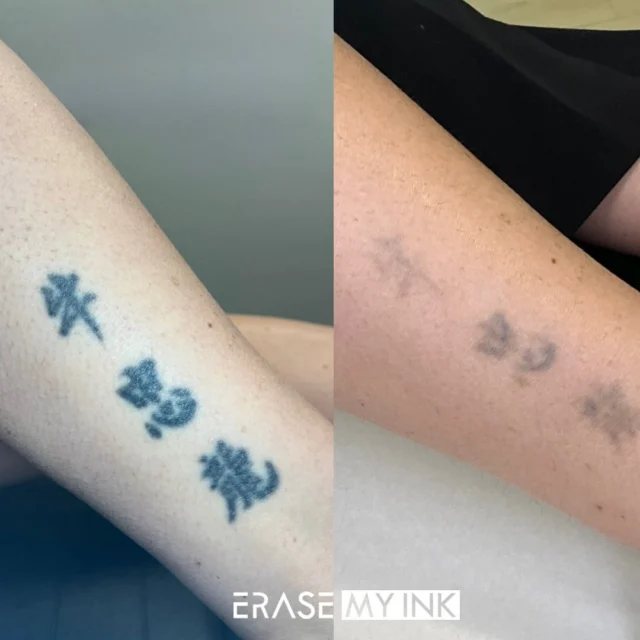
When people are seeking ways to remove their tattoos, whether they become outdated, fade, or they need a clean slate, laser tattoo removal is an option. Numerous individuals often choose this process. However, people often have concerns about how their skin reacts and what the long-term effects are. Concerns revolving around discoloration, scarring, and skin health often become visible sooner while deciding about it.
The concerns often grow steadily when seeking localized solutions like tattoo removal in Oakville. This is where clients seek reassurance before starting out with the treatment. Clear, precise details can set expectations, reducing the fear of uncertainties. A quick glimpse at how laser removal works with skin shows that the results rely on several manageable factors instead of the procedure in itself.
What Shapes Safe and Effective Tattoo Removal Results
The success of the procedure of removing a tattoo relies on numerous interactive factors that impact the nature of how the skin responds during and after every session. A clear knowledge of the elements at work enables people to approach the treatment with realistic expectations and be properly prepared.
The primary factors that have a direct impact on the results from treatments are:
- Responses to the individual skin healing process
- Details of tattoo ink compositions
- The depths of the layers of pigment
- Technology and settings related to lasers
- Skill and expertise of the practitioner involved
- Spacing and frequency of each session
- Consistency in post-treatment care
A professional attention to such elements enhances the effectiveness and safety of laser tattoo removal in Oakville. Turning the treatment into a highly controlled and predictable experience for individuals planning for better outcomes.
Significant Impact of Skin During Laser Tattoo Removal
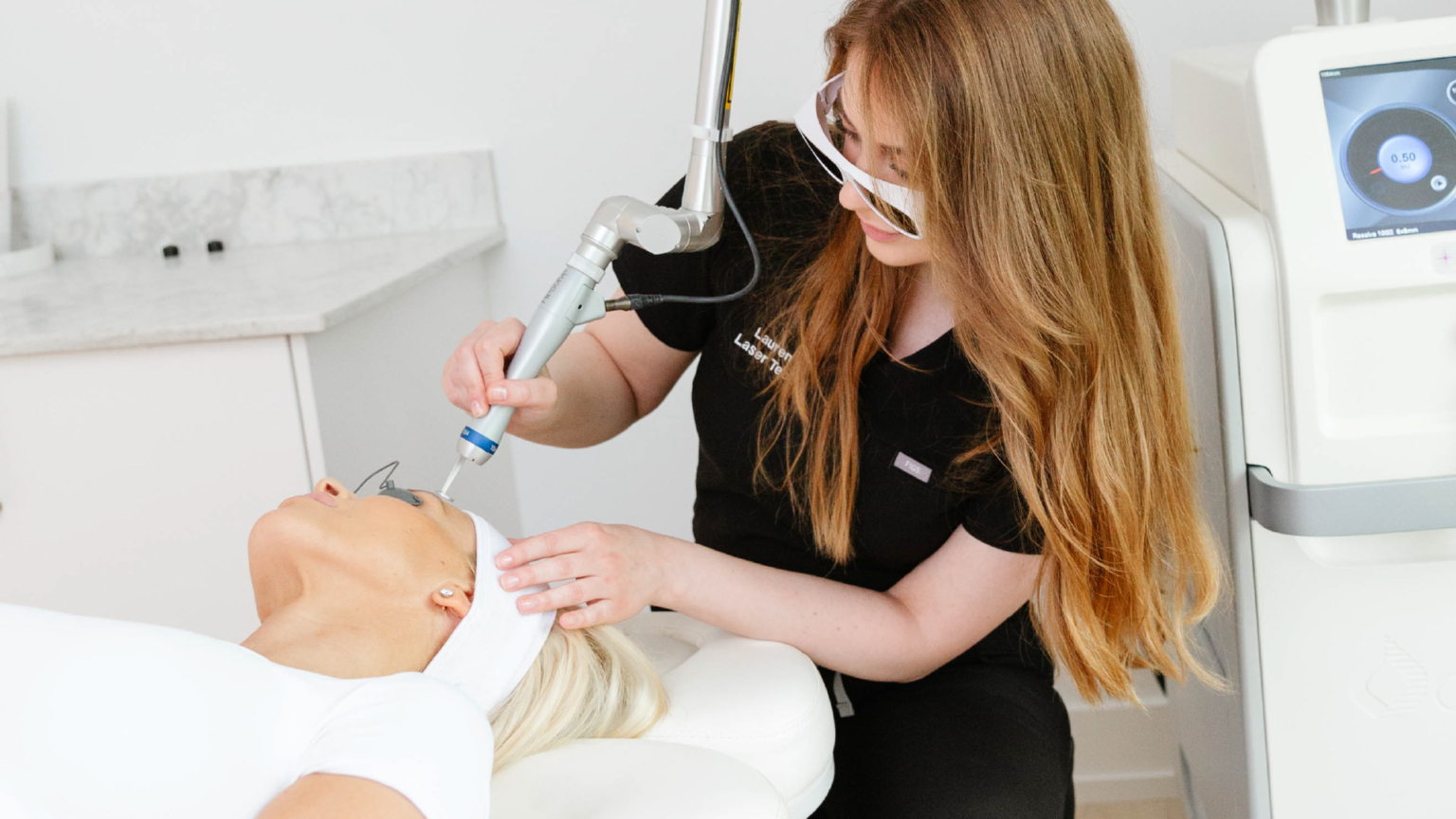
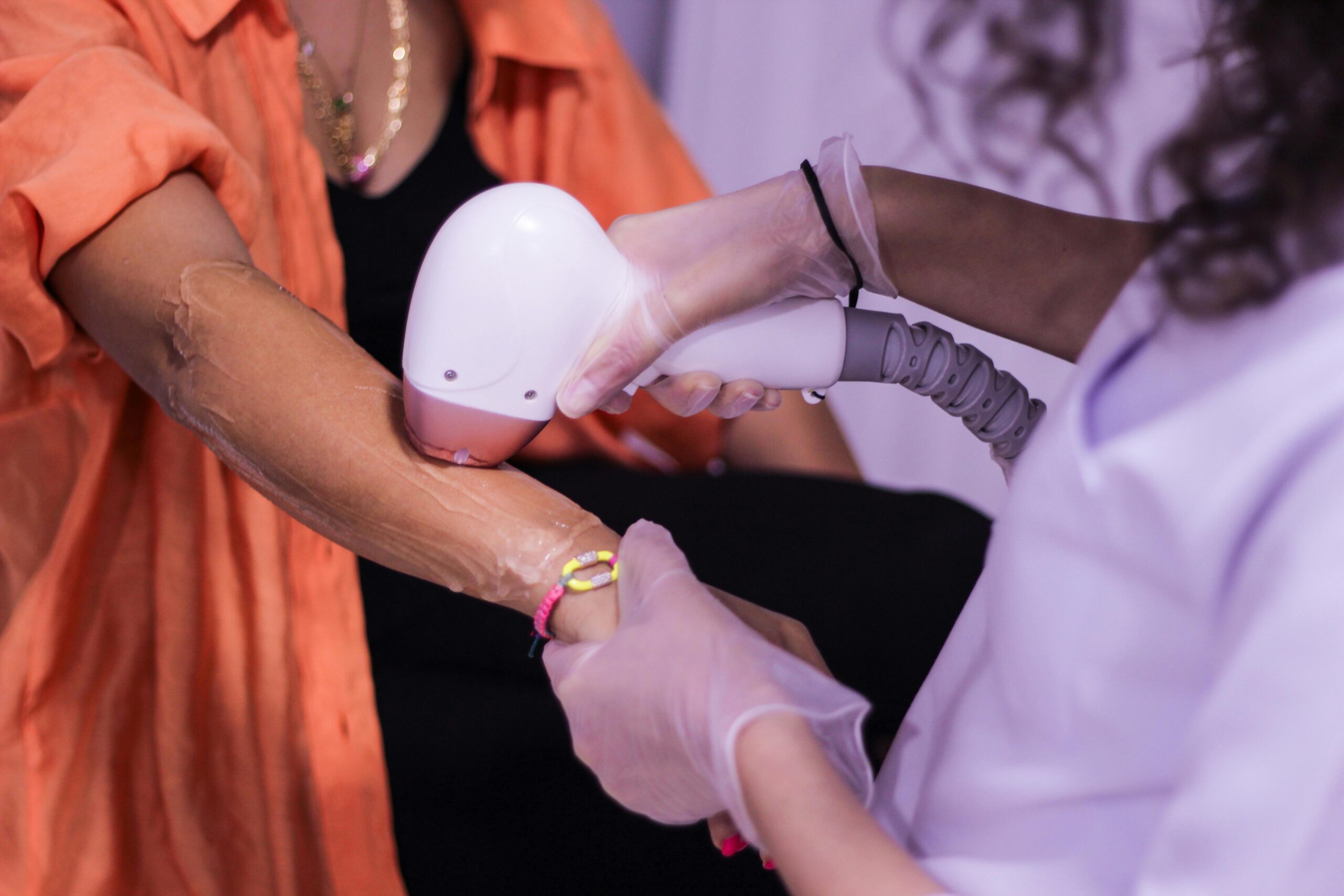
The process of laser tattoo removal works by precision targeting pigment particles under the skin without significantly affecting the surrounding tissues. The techniques followed today aim for flawless results, as every skin response is different based on the person’s condition and the quality of treatment delivered.
Skin Healing Process After Treatment
Skin repairs almost immediately after every session. This activates the mechanism of the body’s natural recovery, restoring the area treated. Temporary reactions project the effort of the body’s healing process, renewing damaged pigment areas.
A quick look at how healing works:
- Mild phase of redness
- Temporary swelling response
- Scab formation stage
- Gradual skin renewal
Progressive healing is assured through proper care that enables skin to recover without any adverse effects. It enhances the skin’s texture and brings clarity through the removal process.
Likelihood of Scarring With Modern Lasers
The modern laser’s mechanism is engineered to reduce any sort of trauma, which reduces the scope for scarring compared to the conventional techniques for tattoo removal. Balanced energy offers a proper breakdown of pigment without damaging the layers of skin tissues that surround the area.
The primary factors that impact the risk of scarring include:
- Advanced laser precision
- Controlled energy levels
- Skilled practitioner handling
- Proper session spacing
Scarring is not so common when processes follow best practices. Inadequate handling or overlooking aftercare habits can increase the risk of unwanted changes to the skin’s texture.
Differences Between Skin Damage and Normal Reactions
Numerous visible adverse effects post-treatment are the natural responses of the body instead of signs of damage. Identifying such temporary changes can help people stay confident throughout the entire removal process.
The typical temporary reactions comprise:
- Redness and irritation
- Mild blister formation
- Itching sensations
- Temporary discoloration
Knowledge of such reactions will prevent unwanted concerns. Common symptoms start to fade naturally while the skin consistently heals as well as adjusts after every professional treatment session.
Role of Skin Type in Treatment Safety
Since every skin type is different, they respond variably to the laser treatment. This makes personalized treatments the key to safety. Differences in melanin levels and sensitivity impact the nature of the skin absorption rate and how it responds to each procedure.
Some key skin-focused elements include:
- Melanin concentration levels
- Sensitivity to heat
- Healing speed variation
- Pigmentation risk factors
Tailored approaches offer safer results for people with levels of melanin. Here, careful adjustments can help to prevent changes in pigmentation or unevenness in skin tone.
Impact of Tattoo Ink and Depth
The features included in a tattoo, such as the color and depth of ink, have a direct impact on how seamlessly pigments get broken down. While some inks respond immediately, others need frequent sessions for noticeable changes.
The main tattoo-focused variables are:
- Ink color density
- Layered pigment depth
- Professional versus amateur
- Age of tattoo
Complicated tattoos often demand prolonged treatment schedules. It involves adequate spacing and technique to retain the safety of the skin while slowly achieving the amount of fading one prefers.
Importance of Aftercare in Preventing Damage
Aftercare plays an integral part in shaping the way skin heals after every session. Consistency in care can prevent irritation, supporting the natural recovery process of the body.
The core practices related to aftercare include:
- Keep the surrounding areas clean
- Avoid over-exposure to the sun
- Not picking scabs
- Applying healing ointments
Regular aftercare rituals can safeguard the area treated against irritation and infection. This supports the skin to smoothly recover without any risk of complications or irreversible damage.
Conclusion
Confidence in laser tattoo removal grows when people understand how the process truly affects the skin. Safe outcomes rely on informed choices, consistent care, and expert guidance rather than chance. With the right approach, individuals can move forward knowing the procedure supports both appearance goals and long-term skin health.
Most Read