How to Properly Size and Maintain a Glycol Chiller for Maximum Performance
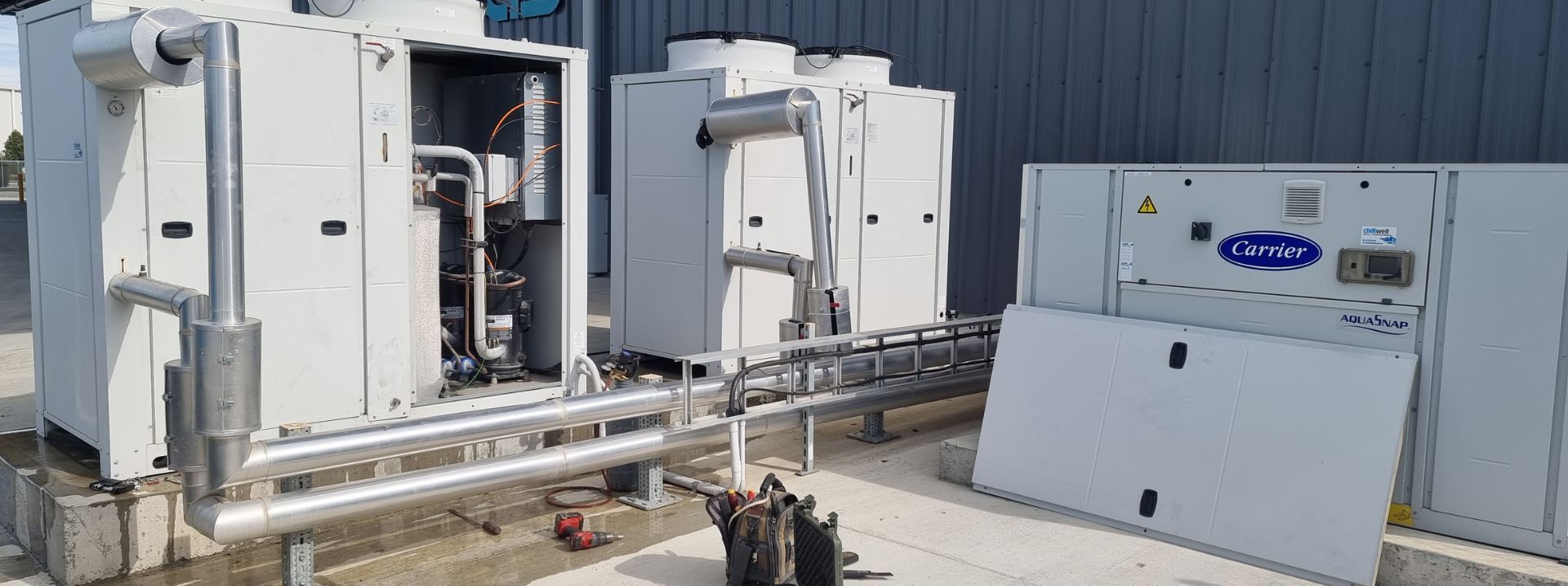
A dependable cooling system offers the best operations and better control of consistent temperature for varied applications. Numerous units operate efficiently whenever the equipment runs under optimal temperatures, since it helps in safeguarding the product’s quality and the system’s performance. A robust approach to planning and maintenance helps businesses avoid unexpected downtime and expensive repairs. Focusing on the equipment’s needs unlocks the best output that supports regular operations for a glycol chiller.
Understanding How a Glycol Chiller Works
Cooling systems are designed so that heat is transferred out of equipment to maintain a constant, reliable temperature.
- Heat Transfer Cycle
An unwanted heat is absorbed in a refrigeration loop and taken away to maintain equilibrium in the system. The process is based on controlled-temperature flow through coils and continuously operating components. The arrangement promotes diverse industries that need reliable chilling applications.
- Glycol Fluid Benefits
A glycol mixture flows freely in the system since it is not subject to freezing and facilitates steady flow. The formula balances performance because it can be used alongside other equipment, like a swimming pool heat pump Christchurch setup, which can enjoy favorable thermal movement.
- Core System Components
A compressor, evaporator, condenser, reservoir, and pumps are combined to ensure reliable cooling is distributed among all connected units. These parts transfer fluid efficiently, providing reliable temperature regulation and consistent performance under fluctuating loads.
Best Ways to Calculate the Correct Chiller Size
The points below offer easy tips to inform more confident planning.
Determine Cooling Load
Proper sizing is due to accurate load assessment, as temperature changes and operational factors affect overall demand. The computation accounts for tank volume, production stages, ambient heat pressure, and system cycles to determine the overall thermal output. A smart estimate improves the chiller’s efficiency.
Evaluate Simultaneous Needs
Other units may be cooling simultaneously, and this adds up to the overall demand. Controllable peak workloads are sized appropriately to ensure that temperature levels are kept in check even when several processes are operating simultaneously. Considerable inspection aids in maintaining a consistent production without saturating the system.
Adjust for Setpoints
Temperature targets affect cooling strength, ensuring appropriate chiller capacity by providing a clear understanding of setpoints. Lower temperatures require greater production, underscoring the need for accurate planning. The final calculation is determined by the glycol ratio and environmental factors, which help ensure long-term system reliability.
Glycol Chiller Maintenance Essentials for Maximum Performance
Stable functioning is built on systematic treatment that safeguards the machinery as well as promotes enhanced production. These measures help prolong the system’s functionality and ensure reliable cooling throughout the year.
Glycol Quality Checks
Frequent fluid testing facilitates protective performance since the concentration of glycol influences freeze resistance and flow efficiency. The mixture is altered over time by natural wear, which requires planned monitoring to avoid corrosion, bacterial growth, and reduced heat transfer. Detailed records of measurements are used to make timely corrections that help maintain constant operation and protect the long-term health of the system under a wide range of workloads.
Component Cleanliness Care
Clean coils and heat exchangers enable easy transfer of temperature that directly enhances the performance of the chiller. When dust, scale, and residue get on surfaces, it takes efficiency away gradually. A regular cleaning routine will save energy consumption and avoid the unnecessary load on the compressor. Stable service enhances overall stability and helps maintain accurate temperature control during high-production cycles that require precision.
Pump and Line Inspection
Flow strength depends on the pumps and connections, which means regular inspections help prevent leaks or pressure loss. Repeated movement of hoses may lead to ageing and hence low reliability. Early identification of areas of weakness prevents sudden system failure that disrupts cooling processes. A measured inspection pattern is a safe mode of operation due to the fact that well-maintained pumps ensure steady glycol flow and balanced temperatures when used continuously.
Pressure and Temperature Monitoring
Constant readings signify healthy performance that facilitates easy chiller operation. Low pressure is usually an indication of fluid problems, and uneven temperatures can indicate component wear and tear. A checklist can be used to detect issues that may develop if left unaddressed. Timely modifications ensure optimal circulation and heat transfer, enhancing reliability and minimizing the risk of expensive interventions in the long run.
Ventilation Management Practices
The air around the chiller helps maintain internal temperature equilibrium, preventing the unit from overheating during heavy use. Well-defined routes around the equipment enhance heat dissipation, enabling the system to operate without straining it. Ventilation also helps protect electrical components that require a stable environment. A properly placed chiller is more efficient, improving cooling quality and extending the life span of vital components.
When to Upgrade or Replace Your Chiller
- Rising Energy Costs
Increasing energy consumption is a common indicator of declining efficiency, suggesting the system cannot maintain cooling levels. A new unit generally provides better performance and reduced cost of operation.
- Frequent Repair Needs
Recurring failures indicate that internal components may become unreliable. Replacement ensures steady operation and avoids any surprises that might disrupt production requirements.
- Less than adequate Cooling Discharge.
Low temperatures below the required levels indicate that the system is unable to meet daily workloads. Restoration returns the system to normal functions and enables more operational activities.
Conclusion
Regular cooling also provides equipment stability and reinforces the overall workflow across various settings. Considerate practices towards the care of the system promote reliable performance and assist in effective functioning over time. A properly maintained system also allows for a smoother production experience and less stress on critical parts. Robust planning ensures that every cooling system delivers sustainable value and reliable service across a variety of applications.
Most Read