
How Park and Street Lighting Design Enhance Liveable Communities
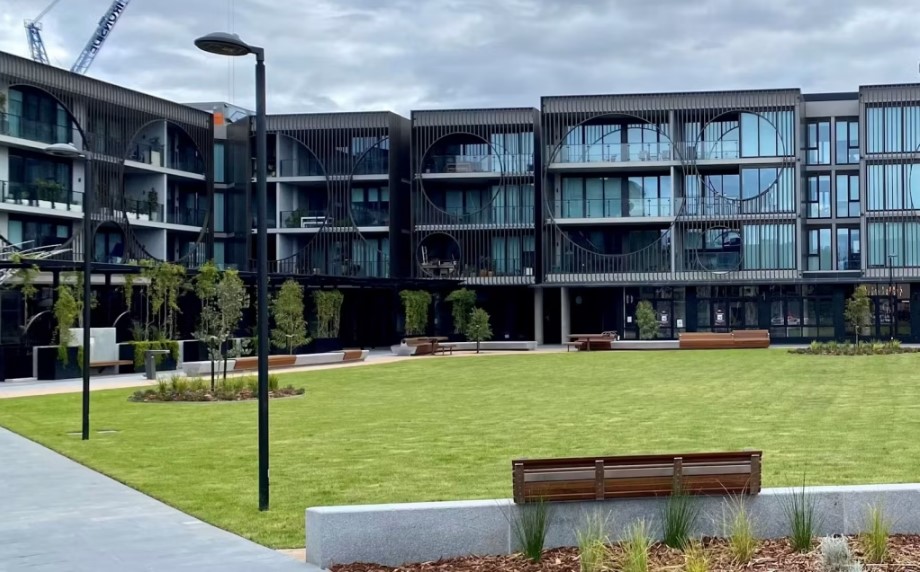
In the fabric of every liveable city, lighting plays an understated but crucial role. From vibrant parks to bustling streets, well-designed lighting helps shape how we experience public spaces. It goes beyond visibility — it influences safety, usability, ambience, and even environmental impact. As urban environments expand, the need for expert park lighting design and street lighting design becomes increasingly important.
Public Lighting Design, one of Australia’s trusted specialists in the field, understands that thoughtful illumination transforms public infrastructure. Whether lighting up a pedestrian path in a suburban park or illuminating a busy city intersection, the goal remains the same: enhance safety, functionality, and the visual appeal of the space.
The Role of Park Lighting Design in Modern Cities
Public parks are more than just green spaces. They serve as social, recreational, and cultural hubs for communities. A well-lit park encourages people to visit during early mornings and after dark — extending the usability of these spaces throughout the day and evening.
Effective park lighting design considers a variety of elements: footpaths, seating areas, playgrounds, open lawns, and public facilities. Each area requires a tailored lighting approach to ensure safety and comfort. For example, pathways may use low-glare bollard lights that clearly mark direction without overwhelming nearby areas, while larger gathering zones may benefit from higher pole-mounted lights to provide broader coverage.
Beyond function, lighting also contributes to the atmosphere of a park. Subtle accent lights can highlight landscaping features, sculptures, or trees, enhancing the natural beauty of the space while promoting a sense of tranquillity and security.
Why Street Lighting Design is Vital for Urban Mobility
As cities grow, streets become more than just transit corridors, they become shared spaces used by motorists, cyclists, pedestrians, and public transport. Quality street lighting design is crucial to ensure safe and efficient movement, particularly during the night time.
Poor lighting can lead to increased accident risks and discourage walking or cycling. On the other hand, a strategic lighting plan can improve visibility at intersections, crosswalks, and bus stops, significantly reducing hazards and encouraging active transportation.
Modern street lighting design goes beyond traditional lamp posts. It involves analysing traffic patterns, pedestrian density, and environmental factors to determine the optimal fixture placement, height, and intensity. The introduction of LED public lighting, smart controls, and motion sensors has further refined how cities illuminate roads, offering flexibility, energy savings, and lower maintenance requirements.
Energy Efficiency and Sustainability in Lighting
Both park lighting design and street lighting design have a significant environmental footprint if not managed properly. Fortunately, innovations in lighting technology have made sustainable solutions more accessible and affordable.
LEDs have become the industry standard, offering impressive energy efficiency, reduced carbon emissions, and longer service life compared to traditional bulbs. Solar-powered lighting is also increasingly used in parks and pathways, especially in areas with limited access to electrical infrastructure.
At Public Lighting Design, we are committed to sustainability. Our designs often incorporate dimming features, motion sensors, and programmable schedules to minimise unnecessary light use. This not only saves energy but also protects wildlife and reduces light pollution in residential areas.
A Human-Centred Approach to Public Lighting
Public spaces should cater to the diverse needs of those who use them. Lighting plays a pivotal role in making these areas inclusive and safe for all ages and abilities. For example, even lighting along walkways improves accessibility for the elderly and vision-impaired. Reduced glare and consistent illumination levels help prevent trips and falls.
Creating a sense of security is equally important. A park that feels well-lit and open is more inviting, while well-illuminated streets reduce the likelihood of criminal activity and support community confidence.
When designing both park and street lighting, Public Lighting Design adopts a human-centred approach — working closely with local councils, urban planners, and landscape architects to deliver lighting that truly serves the community.
Integrating Smart Technology
The rise of smart city infrastructure is reshaping how we think about lighting. From adaptive brightness to integrated public Wi-Fi, today’s lighting systems can do much more than illuminate. In street lighting, smart poles equipped with cameras, sensors, and environmental monitors can offer real-time data to city councils. In parks, lights that respond to human activity can create safer, more responsive environments while conserving energy.
This technology also improves maintenance efficiency. With remote monitoring, faults can be detected and resolved quickly, ensuring minimal downtime and improved reliability.
Public Lighting Design actively embraces innovation, offering smart lighting solutions that align with Australia’s future-ready infrastructure plans.
Conclusion
Public space lighting design are reflections of a city’s priorities — and lighting plays a critical role in how they are used, perceived, and enjoyed. Whether designing for the serenity of a park or the dynamism of a street, lighting must be tailored, sustainable, and forward-thinking.
With expertise in both park lighting design and street lighting design, Public Lighting Design helps create environments where people feel safe, connected, and inspired. Our solutions are not only practical and efficient but also enhance the character and usability of each space.
Most Read