What Role Does Manganese Play in a Balanced Diet for Horses?
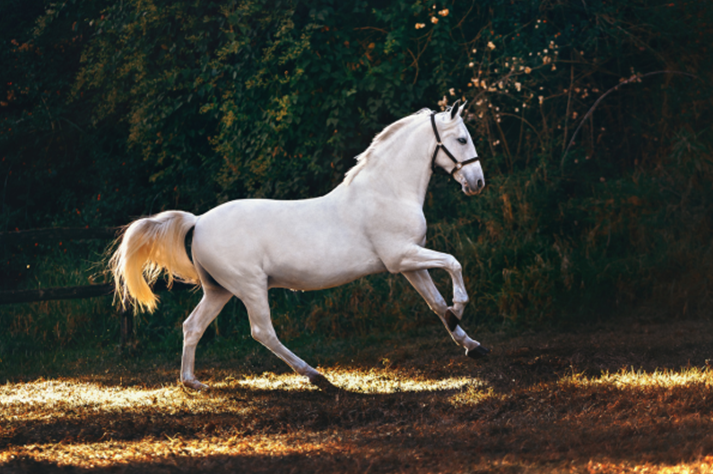
Nutrition is one of the most important foundations of equine care, and minerals are a key part of that balance. Calcium, phosphorus, and magnesium are all the heroes, but trace minerals such as manganese play just as important a role in a horse’s overall health. Learning the value of manganese and how this trace element influences the horse diet can allow owners to make more informed feeding decisions that will support long-term performance and health.
What is Manganese?
Manganese is a trace mineral that is proportionally required in minute amounts relative to macrominerals like calcium or potassium. Despite being in minute amounts within the body of the horse, manganese is a component of many vital biological processes. The horse is unable to produce this mineral naturally and therefore must supplement it from food. The element naturally occurs in forage, grain, and mineral supplements specifically formulated for horses.
Manganese Benefits in Horses
The importance of manganese in a horse’s diet comes from its role in supporting structural and metabolic functions. Some key manganese benefits include
Bone and Cartilage Integrity
Manganese is involved in connective tissue, bone, and cartilage formation. These tissues are not only important for growing horses but also active horses that fail to end their active lives.
Enzyme Function
Manganese is used as a cofactor of some enzymes. They are involved in metabolic reactions that influence energy metabolism, nutrition utilization, and antioxidant defense.
Reproductive Support
Appropriate manganese intake has been linked to stallion and mare reproduction function because of support of reproduction function as well as growth-related function.
Antioxidant Function
Certain manganese-requiring enzymes are accountable for the body’s capacity to combat oxidative stress. The process is very important in horses involved in vigorous exercise, competition, or transportation because oxidative stress is most likely to increase during stressful situations.
Food Sources of Manganese
Horses naturally obtain manganese from their feedstuff and concentrate. Alfalfa and clovers are among the legumes that consist of manganese, but it is ground-dependent. Grass hays may also contain manganese, though quantities may not always be the same. Formulated feeds and commercial mineral supplements often include manganese in an effort to get horses adequately equipped with it in their diets.
Since pasture manganese varies with soil type more than with any other factor, not all wild horses consume the same. Targeted mineral supplementation at times as part of equine nutrition programs can result from this to fill in deficiencies.
Factors Influencing Manganese Absorption
Most of the minimum manganese is obtained by horses through diet, but there are factors influencing the amount absorbed and utilized:
- Soil and Forage Quality: Horses on low-manganese pastures will not receive enough from grass alone.
- Dietary Balance: Excessive intake of other minerals, such as calcium or phosphorus, will inhibit the use of manganese.
- Workload and Growth: Pregnant late-term mares, developing yearlings, and performance horses will need increased levels of manganese to support structural development and heightened metabolic needs.
Deficiency and Imbalance Detection
Manganese deficiency in horses is not common but can occur with persistently unbalanced feeding. While overt symptoms cannot be readily observed, long-term deficiency will impair growth, bone quality, and reproductive performance. Supplementation must also be shunned in excess because an overabundance of minerals will rob other nutrients of their chances to be utilized.
Because of the intricacies, equine dieting is most effectively solved in the nature of a balanced solution that includes all facets of the diet rather than a single isolated mineral.
The Need for Balance in Horse Diets
A horse’s whole diet is a game of puzzle wherein everything—protein, fiber, vitamins, and minerals—should fit in its position. Manganese is just one of the pieces, but it’s part of other nutrients to create balance. Calcium, phosphorus, and magnesium are all part of bone structure, but manganese replaces them in providing connective tissue development and enzyme activity.
This dependence is the very reason why horse owners are advised to consider nutrition in proportion and not as one component alone.
Final thoughts
Manganese is a trace element, but its contribution to a balanced equine diet is far from insignificant. Since it is involved in bone development, enzymes, reproduction, and antioxidant function, manganese affects almost every aspect of an equine’s day-to-day operation and well-being. Forage will contain some amount of manganese, but the amount can be highly variable, and horse owners need to know how their animals’ needs are being met.
For those looking at overall nutritional support, Optiwize equine is among the options available on the market that can complement forage-based diets. Considering manganese benefits within the broader scope of equine nutrition ensures that horses receive the comprehensive care needed for strength, resilience, and vitality throughout their lives.
Most Read