Signs of Lameness in Horses and How Supplements Can Help
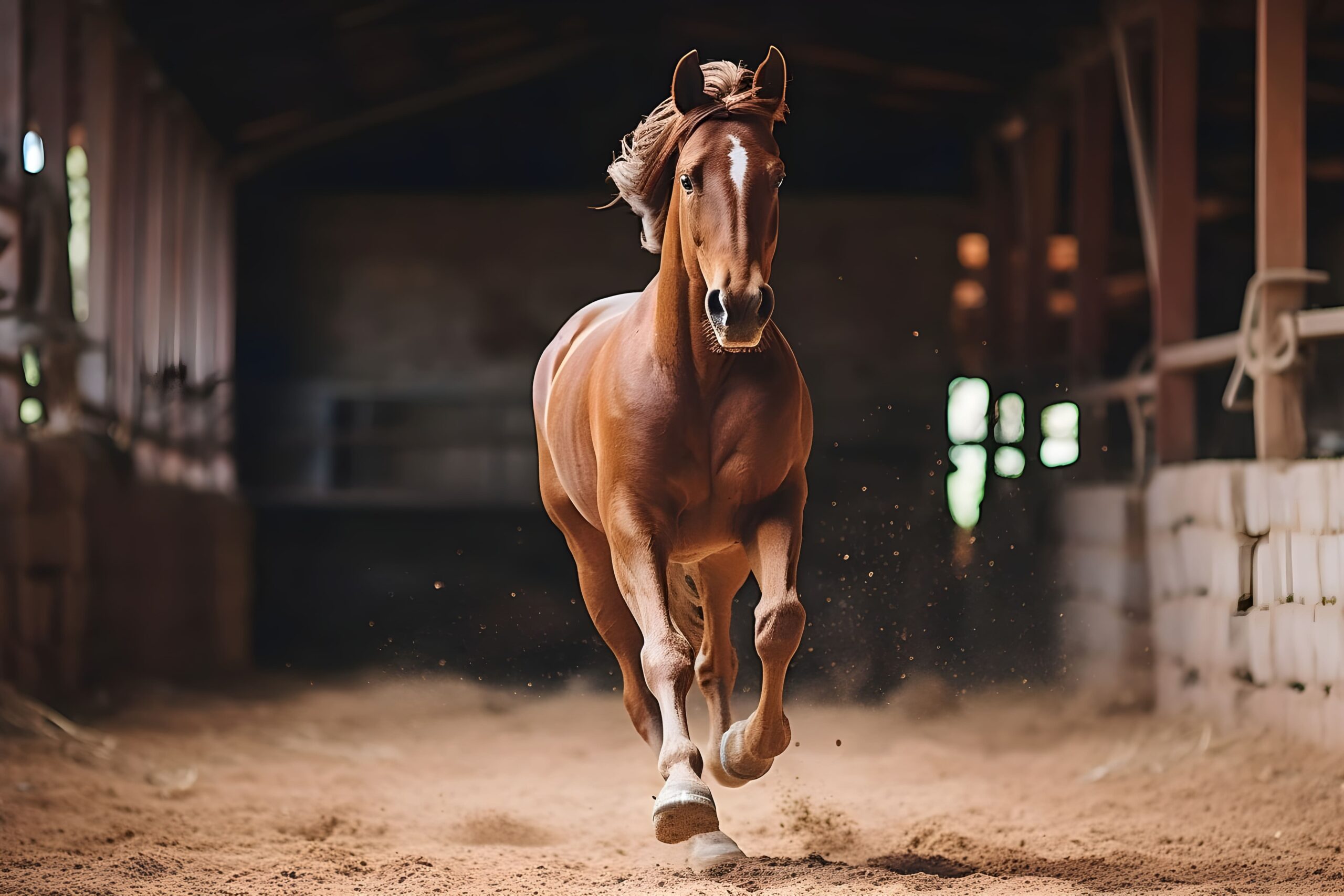
Lameness in horses is a common but complex issue that can impact performance, comfort, and quality of life. It is either acute or chronic, and early detection of lameness can ensure your horse’s good health in the years to come. Although there are many causes of lameness including injuries, overuse, and underlying metabolic conditions -supplementation is increasingly becoming part of proactive joint care and long-term mobility support.
Here are some of the general signs of lameness, a focus on diseases such as laminitis in horses, and nutritional supplements, such as horse joint supplements, and how they may be integrated into broader health programs.
What is Horse Lameness?
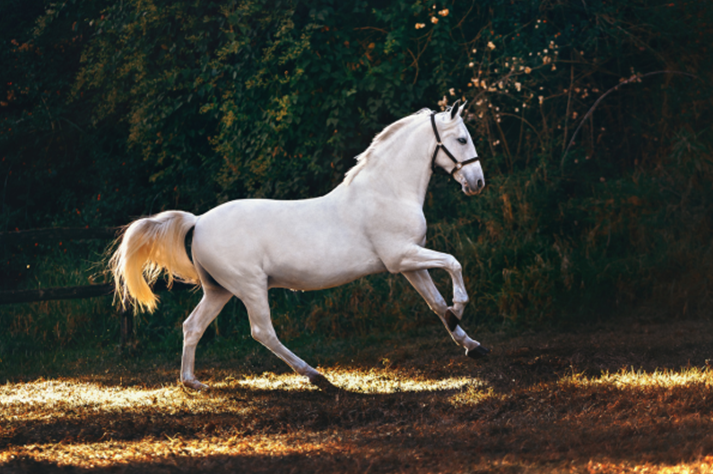
Lameness is a gait or posture deformity due to pain, weakness, or body dysfunction in the limb or body of the horse. It is among the main causes of performance problems and trips to the vet.
Lameness is acute or chronic and may be observed in the hind, front, or both limbs. Keep in mind that lameness as subtle as a mild limp can be an indication of deep-rooted problems such as inflammation or joint degeneration within the body.
Early Signs of Lameness in Horses
Early detection of lameness leads to prompt treatment and improved long-term prognosis. Here are some signs to watch for:
Gait changes
A stride change in the horse is the first sign. This is either in terms of head bobbing, shortening of stride, or avoidance of standing on one particular leg.
Asymmetrical Loss of Shoes or Hoof Wear
The horse could be trying to eliminate pain by putting more weight on other legs and hence causing asymmetry in loss of shoes or hoof wear on one side.
Changes in Behavior
Discomfort will cause an adjustment in behavior irritability when being mounted, refusal to proceed, or aggression during training.
Muscle Asymmetry
Lameness of long duration can lead to long-term favoring of a limb, followed by eventual asymmetric apparent muscle hypertrophy or atrophy on the favored limb.
Swelling or Heat in Joints
Swelling, puffiness, or warmth of a joint or limb can indicate inflammation and pain.
Common Causes of Lameness
Although lameness has numerous causes, there are some that do happen in horses.
Laminitis in Horses
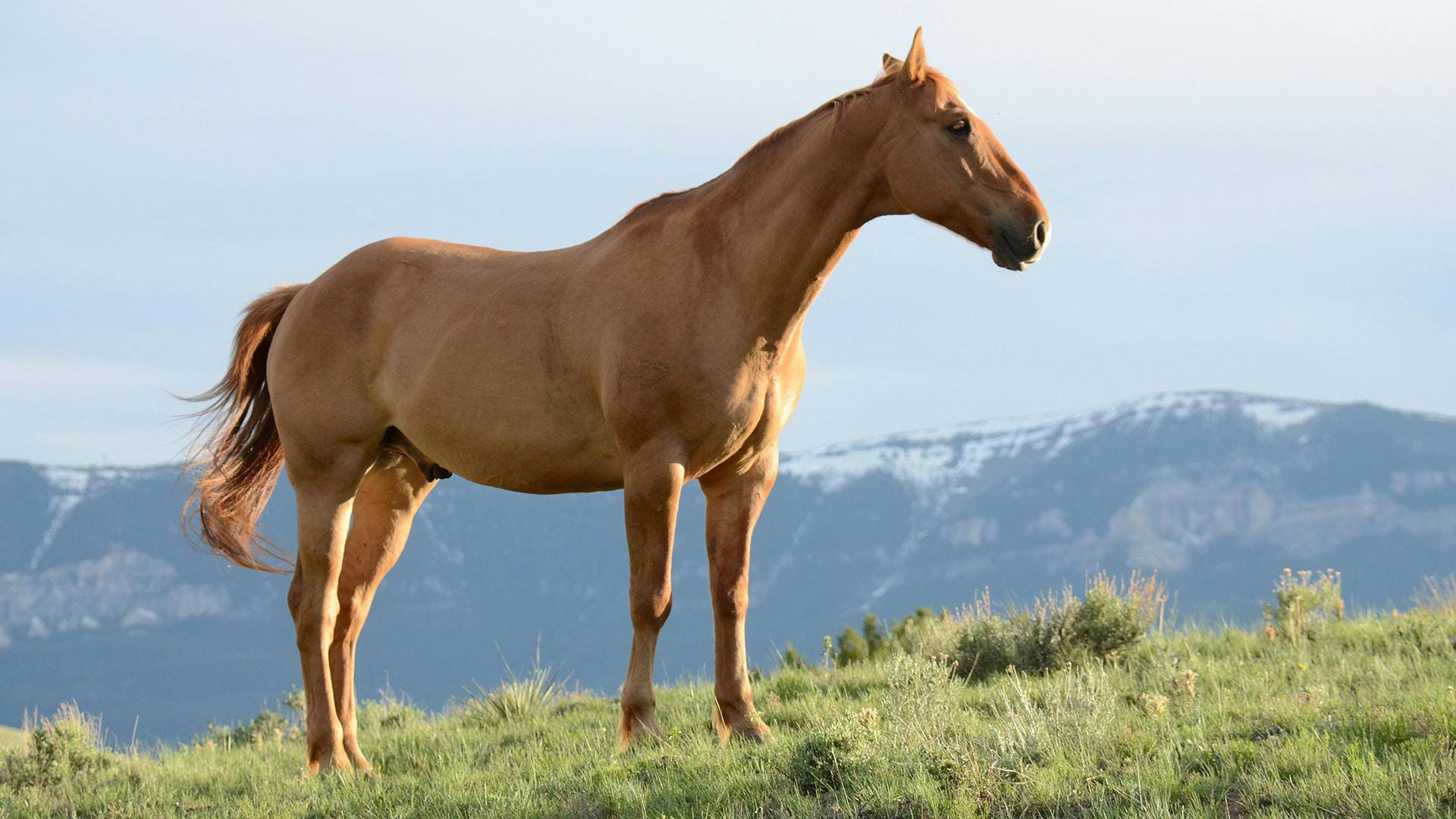
One of the most egregious lameness offenders, laminitis strikes horses and targets the tissue (laminae) that anchors the hoof wall to the pedal bone. It can cause excruciating pain, inflammation, and long-term injury if not properly treated in severe cases. Laminitis also commonly is related to metabolic illness, inappropriate feeding, or excessive use of the hooves.
Joint Strain and Overuse
High-performance horses particularly those racing, dressageing, or jumping also subjects their joints to stress. Repeated stress, excessive braking, and uneven terrain are all contributors to progressive wear and tear on the joints and soft tissue structures.
Degeneration in Matured Horses
Support and cushioning of a mature horse’s joints can degenerate with advancing age. This results in stiffness, loss of motion, and susceptibility to chronic lameness.
The Role of Joint Supplements for Horses
While diagnosis and treatment should always be guided by a vet, most horse owners and caretakers would prefer to maintain healthy joints by availing themselves of targeted nutrition. Joint supplements for horses generally have the goal of delivering key building blocks that may support connective tissues and cartilage.
Some common ingredients used in joint supplements include:
Hydrolyzed collagen – a substance that has been used for centuries as a tendon and cartilage builder
Glucosamine and chondroitin – usually added to assist in keeping cartilage well-nourished in the joint
Hyaluronic acid – a key ingredient found in joint fluid
Omega fatty acids – added to assist in guarding the usual inflammatory response
Include these in a daily regimen, and owners of horses want to improve long-term mobility, as well as maintain the body’s own healing mechanisms.
What to Look for When Choosing Supplements
When selecting horse joint supplements, it is important to demand label disclosures of contents and dosage. Different horses need different things depending on level of activity, age, and present joint condition. Always consult your vet before introducing a supplement.
Supplements are no substitute for veterinary care but can be utilized as part of a comprehensive, multi-faceted system of balanced nutrition, proper hoof care, exercise restriction, and regular veterinary assessment.
Lifestyle and Management Tips to Support Joint Health
In addition to supplementation, some management methods can help in joint and hoof health:
Everyday Farrier Care: Trimming and shoeing on a regular basis prevent joint stressing and provide balance.
Turnout and Movement: Exercising constantly while walking low-stress maintains circulatory and muscle health.
Weight Control: Excess weight results in high stress to hooves and joints, which causes lameness and contributes to diseases like laminitis in horses.
Fewer Surfaces for Exercise: Exercising on fewer surfaces reduces extremity impact stress.
Final thoughts
Horse lameness is such a multi-faceted condition that it calls for preemptive and multi-faceted management. Early detection, combined with thoughtful management strategies, is key to supporting your horse’s comfort and performance over time. Horse joint supplements have been incorporated into the regimen by horse owners in an attempt to offer nutrients of value to healthy structure and function of joints.
A supplement providing such support is OptiWize Collagen Plus, a joint care supplement designed to provide essential building blocks for the structural integrity of connective tissue. With a properly balanced regime of joint care, it is possible to provide added support in horses that are susceptible to compromised mobility or convalescence due to overuse.
Having healthy joints in your horse is an investment for the long term— and awareness, consistency, and quality care all play a role in keeping your horse moving with strength and confidence.
Most Read