
How to Teach Students to Intervene Safely in Bullying Situations
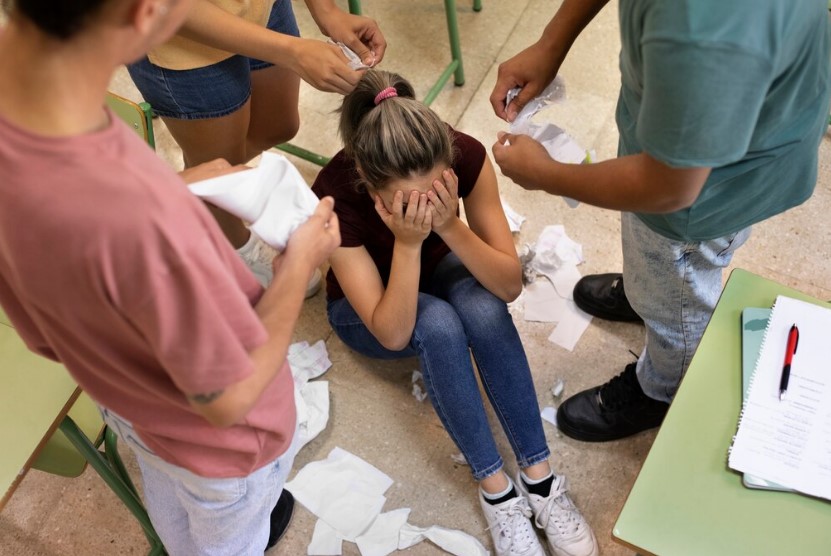
Bullying has devastating emotional damage to the victim and also to the observers. Many students witness such scenes and can take action; however, they often struggle to decide how and when to intervene without compromising their safety. Unless guided, they tend to keep to themselves, and this further encourages the practice of negative behavior without checks.
It is about empowering them to provide help safely and with competence through an authoritative statement. The positive outcome of heightened emphasis on such skills is measured by the positive change in the response of youth when dealing with a conflict situation, which is well recorded by schools that conduct systematic student leadership training opportunities among students.
Core Skills for Safe and Effective Intervention
To encourage the student to intervene when violence erupts, realistic measures have to be applied between safety and empathy. The following strategies are targeted at the practical steps that students may undertake to guard themselves and help others. Each one contributes to building a respectful school culture.
Building Emotional Awareness and Empathy
Safe intervention is based on knowing what others are feeling. Being able to identify that one is exhibiting fear, sadness, or anxiety may enable students to react in a supportive manner. The discussions in the classroom, along with their thoughts and narratives, make them observe situations differently.
They will have a smaller chance of becoming frustrated and aggressive when they embrace empathy as part of their decision process. They instead speak and act such that they soothe tempers and provide support. The skills are also beneficial in preventing bullying in schools because learners are taught how to identify and resolve issues before they develop further.
Maintaining Safe Physical Distance
Stepping between people in conflict can be risky. Students will also learn to find a more supportive position, other than confrontation. This may take the form of remaining a few steps behind when one is speaking up or approaching a teacher to back them up.
On-the-spot training is achieved during the workshop demonstrations, as they need to practice doing so until it becomes second nature. They observe that intervention does not even need to put one in physical danger to be effective. This knowledge instills confidence and encourages more students to come forward once they understand that a person is in need.
Using Non-Confrontational Language
These words in stressful situations may be a key to everything. Neutral questions, recommendations of alternative actions, or simply asking the target student to walk away are some of the ways to defuse an altercation. Students discover that calm, measured speech often reduces hostility.
Using these techniques in realistic situations enables the students to have recourse to safe responses. They are taught that the aim of an argument is not to win but to help one resolve the situation. In the long run, it encourages them to intervene since they believe that they can remain calm.
Encouraging Collective Action
Group intervention makes a student feel safer and more supported. By having a few fellow students speak up in unison, one can make numerous statements that convey the message that deviant behavior will no longer be tolerated. When there is collective resistance against a bully, they are more likely to stop.
The student leadership training may be used to establish peer support that will meet regularly and be encouraged by the students. This collaboration also shares its responsibilities and eliminates the fear of doing it individually. When such groups are incorporated into the school culture, they play a significant role in ensuring that bullying does not occur in schools.
Practicing Realistic Scenarios
Preparation is vital to confidence. Role-play activities enable learners to practice how to respond to various forms of cases, including verbal bullying and internet harassment. This makes them realize that not every type of incident will be treated in one way.
And with practice, they learn to remain calm, evaluate what is happening, and react safely. Flexibility is another valuable lesson that can be learned through these exercises, particularly when dealing with unpredictable human behaviors. Well-practiced students are much less likely to freeze during real-life situations.
Prevention Beyond Intervention
Although it is imperative to teach safe response skills, preventing harmful behavior before it takes place is even better. To stop bullying at school, it is vital to create active measures that will encourage certain activities like mentoring programs, diversity programs, and community-building programs.
Such initiatives minimize the cases of misunderstanding and foster closer relationships among students. The hostility will not have so much room to develop when bonds are created. This means there will be fewer scenarios where intervention is necessary in the first place.
Conclusion
A single voice in favor of kindness can influence other people. Students start viewing themselves as having the ability to keep a safe and respectful environment after learning that they can contribute to a better environment. All positive decisions lead to each other and eventually start changing the culture surrounding them. The outcome is a community where all people feel appreciated and safe, recognizing it as a shared responsibility.
Most Read