Benefits of Sustainable Furniture for the Environment

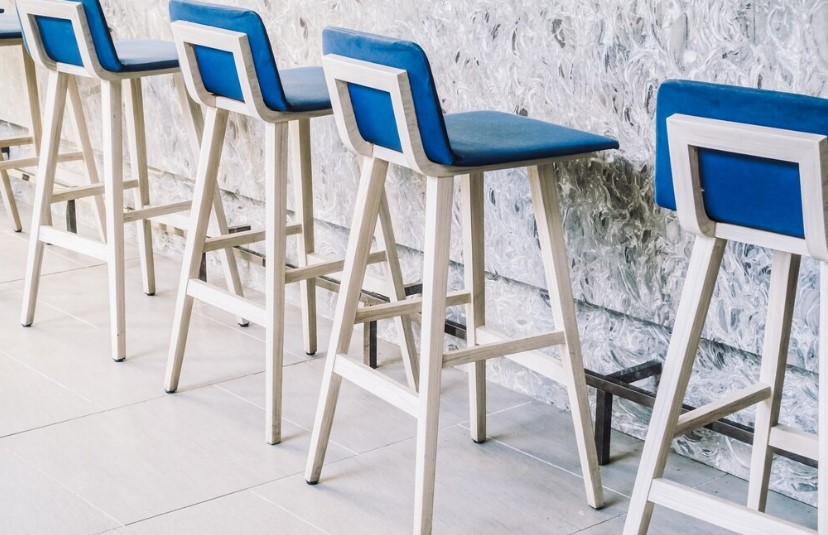
Delving into sustainable furniture and the ways it defines a greener future introduces a new take on eco-friendly design. Pieces of wood, which are harvested in responsibly managed forests, take pressure off old ecosystems. More sustainable choices like bamboo and repurposed wood provide a rustic aesthetic as well as a smaller carbon intensity. Zero-waste production processes minimize the wastes that find its way into landfills and encourage circular economies.
Choosing durable, responsibly crafted furniture supports long-term environmental resilience. Adoption of this model enhances innovation and morality in day-to-day life. The use of sustainable chairs can mark the beginning of a new revolution.
Key Areas Driving Environmental Benefits
When describing responsible sourcing, production practices, longevity, recyclability, and ethical practices, one can see how sustainable furniture provides real environmental impact.
Responsibly Sourced Materials
Furniture created using FSC-certified wood, reused timber, or quickly grown materials such as bamboo places less demand on the forests that supply them. Such practices safeguard wildlife habitats and promote biodiversity. Well-managed forests enable the recovery of trees, leaving the soil in good condition and preserving water reserves.
The use of reclaimed wood prolongs the service life of wood that has already been extracted, and thus avoids needless felling. Selecting items made of low-impact, renewable materials has a direct connection between consumer demand and healthier ecologies. Responsible sourcing not only offers good looks but functionality without interfering with the natural balance of the planet.
Low-Impact Manufacturing Processes
Renewable energy-powered factories reduce greenhouse gas emissions to a significant extent. Solar, wind, or hydroelectric power investments will decrease the dependence on fossil fuels by brands. Healthy finishes and adhesives reduce toxic indoor air emissions, to the benefit of employees and consumers. Efficient production reduces waste through the application of accurate cutting techniques and resources.
The introduction of water recycling in the production process has the added effect of easing the burden on local environments. Eco-friendly and sustainable workshops, along with environmentally friendly assembly lines, will serve as an example of how the industry can reduce its environmental impact.
Longevity and Durability
Properly manufactured, high-quality furniture can serve for more extended periods and requires fewer replacements. A robust dining table, or sofa, can be used by multiple generations, and it saves both raw materials and energy that would be used during the manufacturing of new products. Timeless furniture makes the shift to the fast-furniture model, which leads to landfill waste.
There are repairable designs that encourage consumers to repair products instead of discarding them. Durability investment also advocates the value of money, whereby families obtain products that grow with them to meet their evolving needs and maintain their standard of living.
End-of-Life Recyclability or Upcyclability
Furniture designed for easy disassembly allows for efficient recycling. Dissociating metal hardware and wood parts will enable them to have alternative usage. Worn-out wooden desks could serve as shelving units, and worn tabletops could be repurposed as elements of an artistic wall panel. Upcycling reduces the need for new materials, allowing valuable ones to remain in use.
Product life extension comes through local repair cafes and locally based workshops. Take-back mechanisms help support brands that take responsibility for their products, either by dismantling, reusing, or recycling them when they become unusable.
Outdoor Benefits of Eco-Conscious Designs
Furniture made from recycled plastics, sustainably sourced metals, or certified hardwoods will reduce its environmental impact. Such materials can also withstand harsh weather without requiring heavy treatment, which involves the use of too many chemicals. Application of natural oil allows evading toxic leakages in the soil and river water.
The bulky nature of heavy furniture is kept to a minimum with lightweight, modular units that are easier to ship and even easier to store. Outdoor space design will also encourage people to connect with nature and remind them of their responsibility to care for it. Introducing eco-friendly outdoor furniture in gardens, patios, or balconies makes open-air living more sustainable.
Supporting Ethical and Social Sustainability
Environmentally conscious furniture often aligns with fair labor practices. Those engaged in the production process should have safe working conditions and good pay. Buying crafts produced through traditional, low-impact methods will keep alive local customs, as well as minimize carbon footprint.
Transparent supply chains prove accountability of the brand, as consumers will find it easier to believe them. Ethical sourcing means that it is not only humans who benefit when purchasing the merchandise, but also the earth. Essential purchasing decisions may lead the whole furniture sector to a higher level of social responsibility.
Conclusion
Being thoughtful about the steps toward sustainable furniture, changing everyday life, and the future of the planet. By choosing to purchase responsibly created, tougher items, one can promote an environmentally clean production and minimal wastage. The use of recycled, lasting, or upcycled designs promotes the cause of the circular economy and is ecologically friendly. Greener choices when furnishing houses or decorating gardens influence industries towards greener standards.
Most Read